
ABOUT THE COMPANY
SPOC — IT consulting for the selection and implementation of software for accounting
SPOC is an IT consulting company that specializes in the selection, implementation, and support of software for regulated accounting. Our area of responsibility is to help businesses choose, configure, and launch an accounting system in which your accountants, HR specialists, and financial experts will work. We do not provide consulting on accounting practices — that is the job of accounting agencies and auditing firms.
For over 20 years, we have been helping Ukrainian businesses transition from manual or outdated accounting practices to modern information systems that integrate accounting, tax, personnel management, and payroll calculations into a single space. During this time, we have implemented over 150 projects — from small businesses to enterprises with hundreds of users.
Our approach differs from traditional implementers. We do not start with selling licenses — we begin with an assessment of your business. Based on the analysis of processes, we offer optimal software: a ready-made accounting system, a customized platform, or development tailored to the client. We are not tied to a single vendor.
OUR APPROACH
Consulting for the selection and implementation of software
We do not impose a specific product — we select the optimal solution for your processes and budget. We cover the entire cycle from the first introduction to the working system and its further development.

Business Survey
Analysis of processes, needs, and current systems

Solution selection
Recommendation of optimal software for your tasks

Implementation
Settings, integrations, deployment

Accompaniment
Support, updates, development of the system
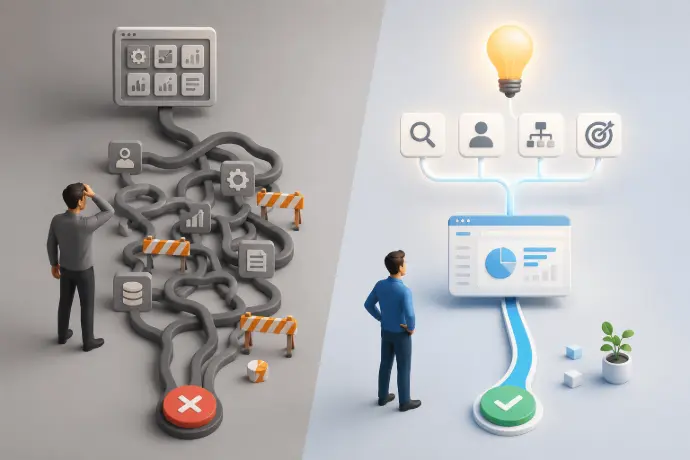
The classic mistake when implementing an accounting system is to start with choosing the software and then adjusting the business to fit it. We do the opposite: first, we understand how your business operates, which processes need to be automated first, and which pain points are important to address. Only after that do we select the accounting software or enterprise accounting program that best meets these requirements.
This approach saves the client 30-50% of the budget for implementation because we do not pay for functionality that will not be used. And most importantly, the system becomes a working tool from day one, rather than an expensive manual that no one wants to access.
SERVICES
Full-cycle services for accounting automation
Each service is a separate page with a detailed description, stages, and pricing. You can order one service or a complete "turnkey" package.
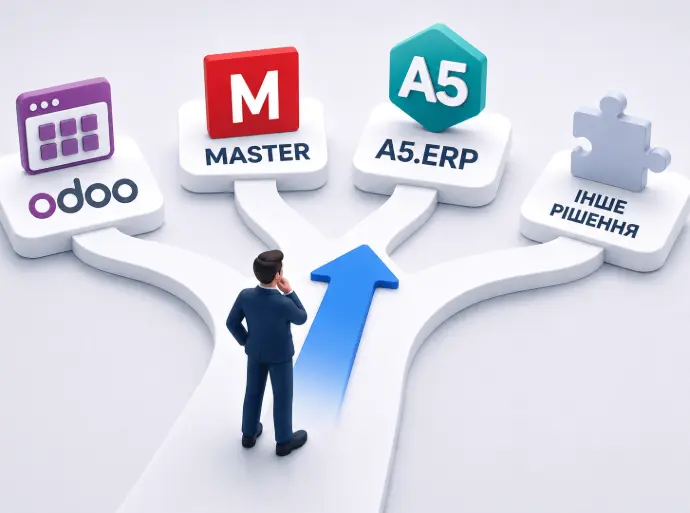
Software Selection Consulting
We will select the optimal system for your business needs: Odoo, Master, A5.ERP, or another solution
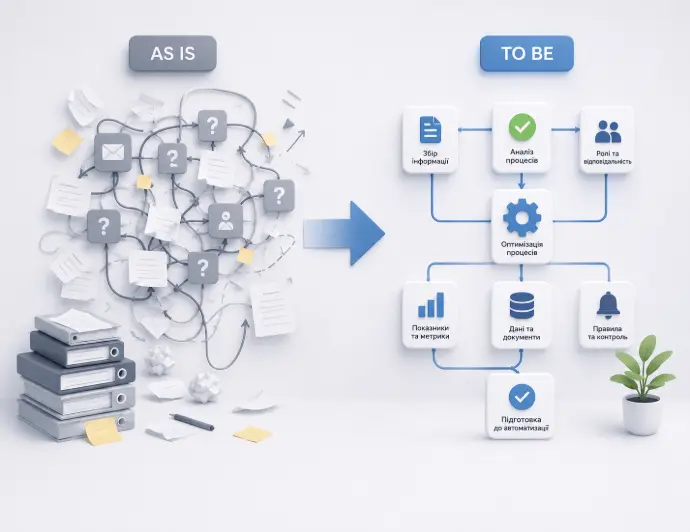
Description and preparation of business processes for automation
We describe the "as is" and design the "to be" — so that the system works for you, not the other way around
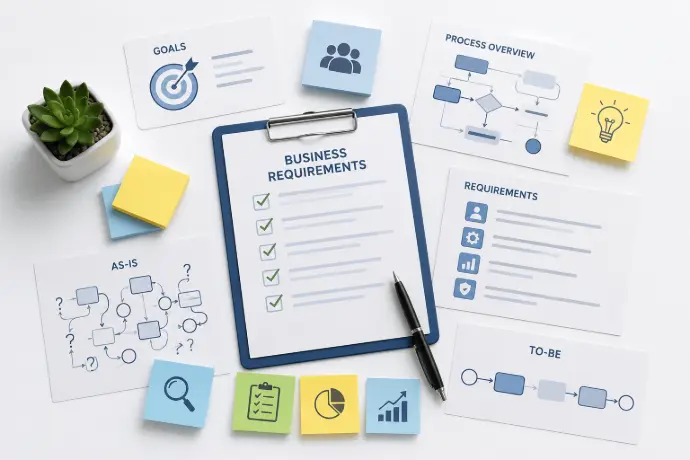
Formation of business requirements
We prepare the technical specifications and functional requirements in business language — so that the contractor understands you the first time
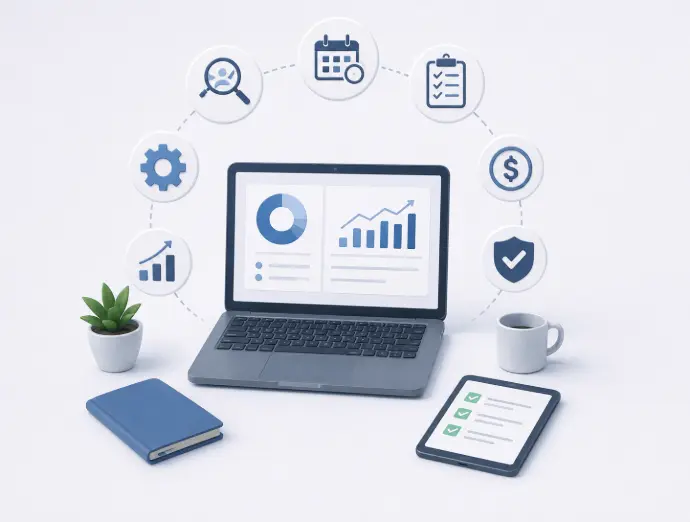
Project implementation support from the client
Freelance business analyst on your side: control of deadlines, quality, and budget of implementation
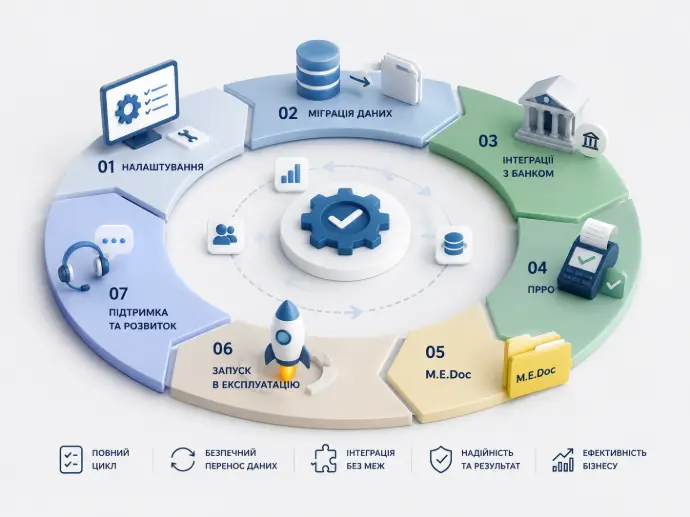
Implementation of software
Full cycle: setup, data migration, bank integrations, PRRO, M.E.Doc, commissioning
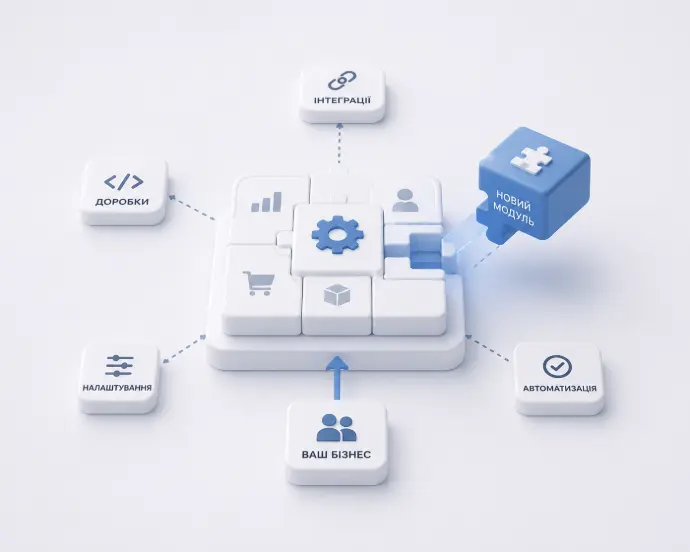
Development and customization for the client
Refinement of modules, unique reports, new features — everything that is not included in the box
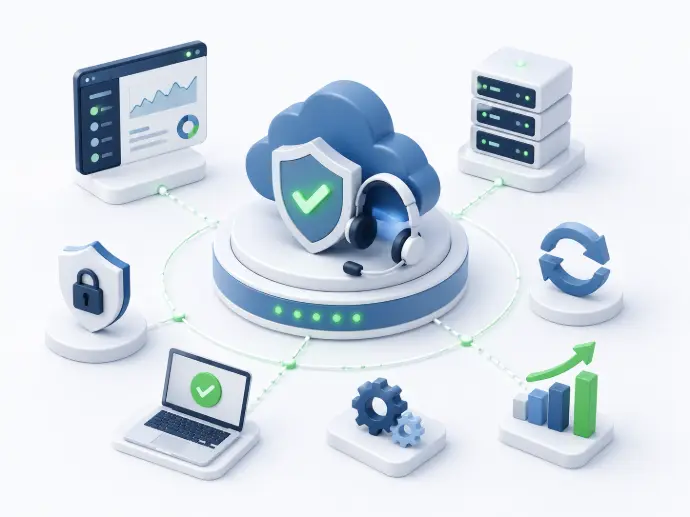
Support and assistance
SLA support, updates, consultations — the system operates smoothly, you focus on your business
Training
Training for accountants, HR specialists, and managers — your team gets the most out of the system
SPOC services are built on a modular principle: you can order a separate service (for example, just a description of business processes or just technical support) or a complete "turnkey" package — from idea to a working system with a trained team. This approach is convenient for businesses of any size: small businesses only need a basic package, while medium and large businesses order a full cycle with customization and integrations.
It is worth mentioning the freelance analyst - our unique service for companies that work with external implementation contractors. If you have ordered ERP implementation from another company, our analyst becomes your representative in the project: overseeing the contractor, checking quality, and protecting your interests. This saves millions on rework and repeated implementations.
INDUSTRY EXPERIENCE
We automate accounting for businesses in any field
Review the industries where we already have real experience. Your task is not just to implement a system, but to select a solution that will address your specific industry needs.
Transport enterprises
Fleet accounting, fuel management, repairs, maintenance, routes, and transportation costs. For logistics companies, taxi fleets, and businesses with their own fleet.
Auto service
Order forms, parts accounting, labor hours, warranty work, service history of customer vehicles. For auto service stations, tire fitting, and auto repair shops.

Pharmacy
Serial accounting of medications, control of expiration dates, licensing reporting, prescription dispensing, integration with cash register equipment. For pharmacies and pharmacy chains.
Construction
Estimates, material accounting on sites, subcontractors, work stages, completed work reports. For construction and repair companies.
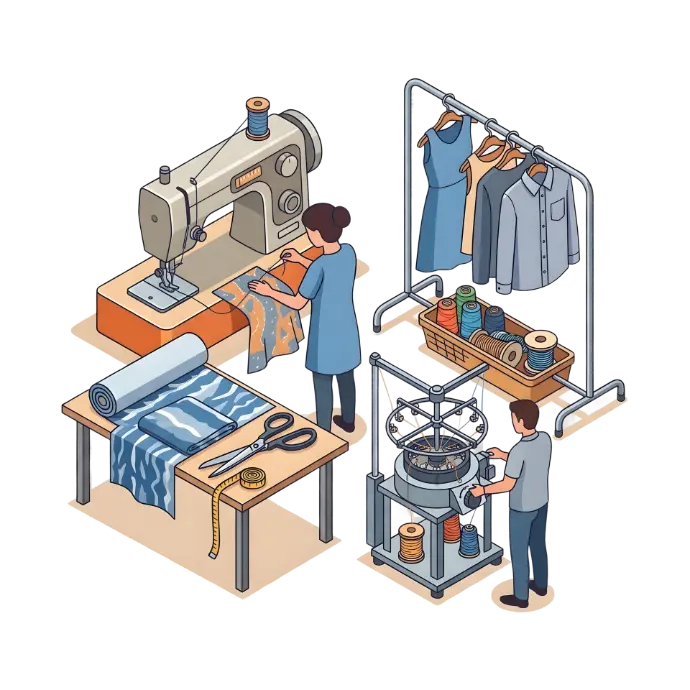
Clothing production
Accounting of fabrics and accessories, technological maps, cutting, sewing, finished products, sizes and colors in one card. For sewing production and ateliers.

Manufacturing of windows, doors
Order calculation, profile and hardware accounting, production cycles, installation teams, assembly specifications. For window and door manufacturers.
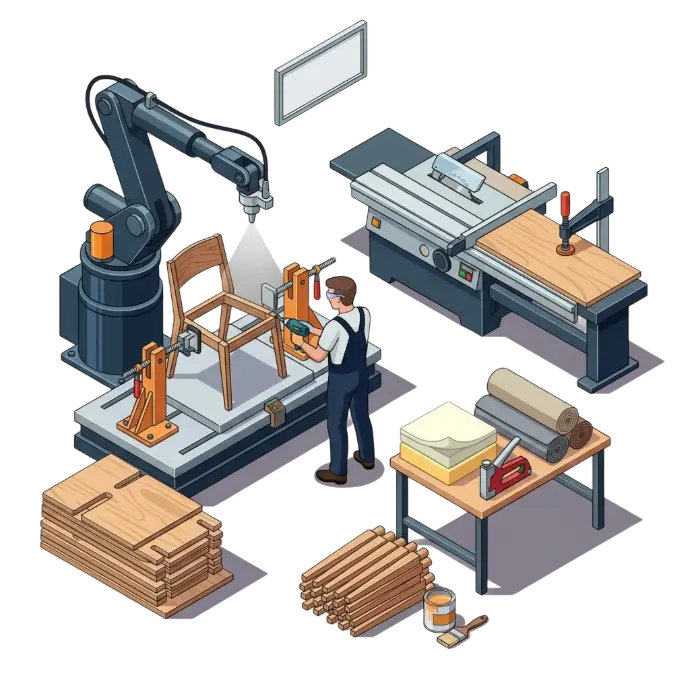
Furniture manufacturing
Raw material accounting, technological maps, work in progress, custom-sized orders, delivery and installation. For furniture factories and workshops.
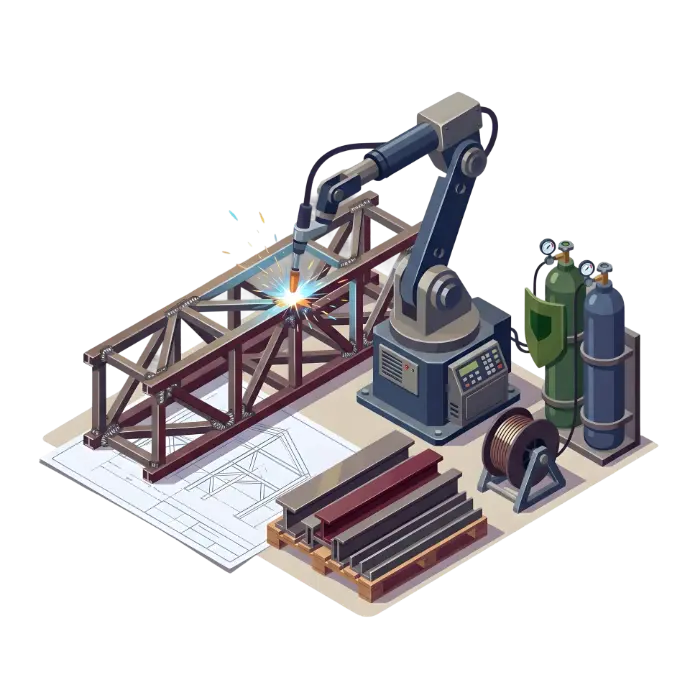
Manufacturing of metal structures
Accounting of metal products, cutting sheets, welding works, production cycles, quality control. For manufacturers of metal structures and metal products.
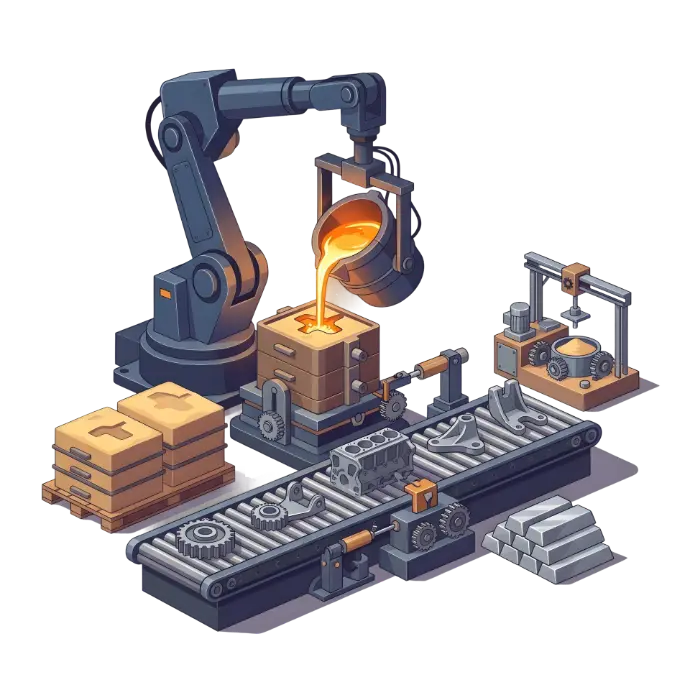
Mechanical Foundry Production
Accounting of raw materials and casting, technological processes, quality control, re-melting of scrap, complex cost calculation. For mechanical and foundry production.
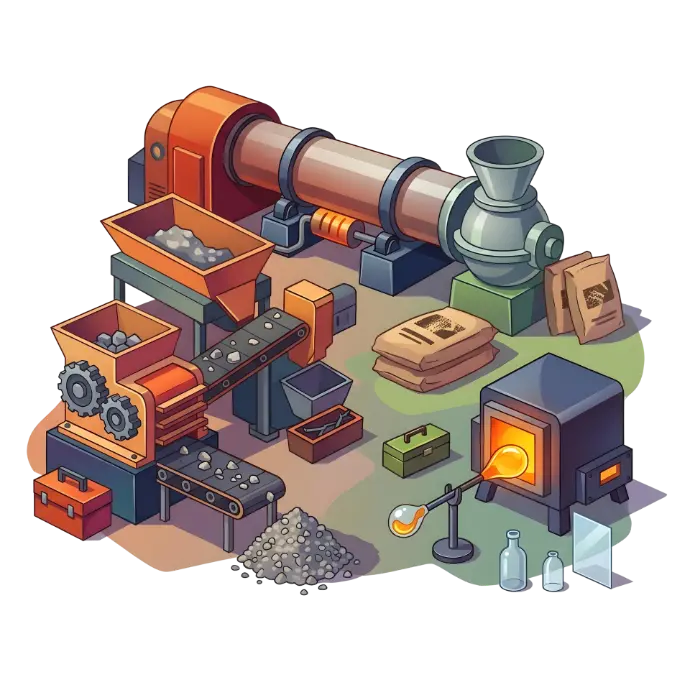
Production of gravel, cement, glass
Accounting of raw materials and finished products, production processes, weight accounting, cost calculation, product shipment. For mining enterprises and manufacturers of building materials.

Public catering
Menu, dish calculation, ingredient composition, orders, integration with POS, network of establishments. For restaurants, cafes, and HoReCa.

Charitable foundations
Accounting of grants, programs and projects, targeted funding, income and expenses, reporting for donors. For charitable foundations and non-profit organizations.

Refueling
Accounting of fuel by tanks, integration with fuel dispensers, loyalty cards, exchange with fuel cards, daily closing. For gas stations and fueling networks.
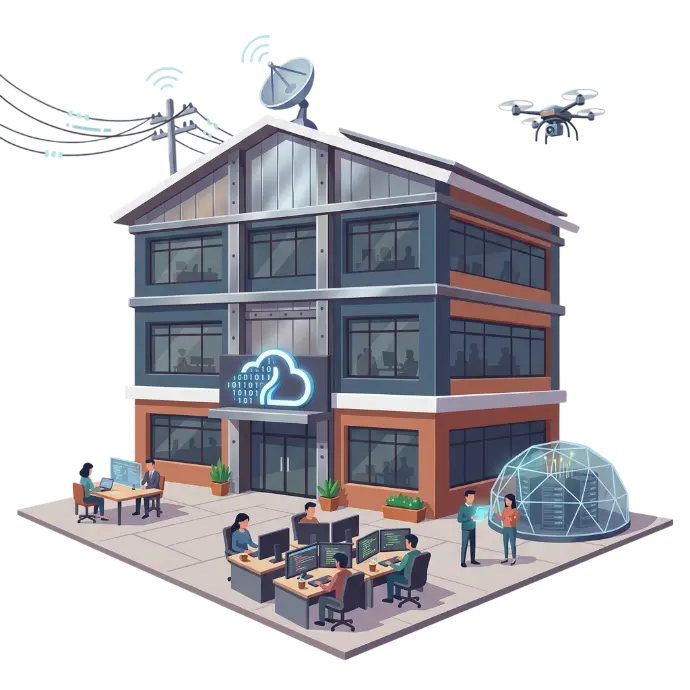
IT companies
Project and resource accounting, employee time tracking, contracts, invoices, currency calculations, and payroll calculation. For IT companies, outsourcing firms, and product teams.

Management companies
Accounting of management objects, contracts, financing and expenses, mutual settlements with contractors. For management companies and holdings.
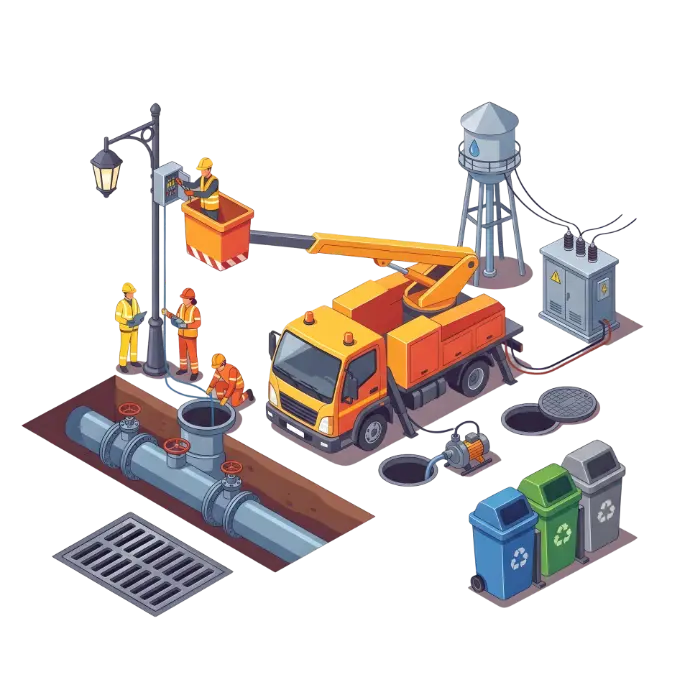
Public utilities
Subscriber accounting, service billing according to tariffs, monitoring of meter readings, generation of payment documents. For utility companies and housing and communal services.

Consulting services
Project and client accounting, tracking consultant hours, contracts, invoices, agreements. For consulting and legal firms.

Medical institutions
Accounting of medical services, medications, laboratory research, financing, salaries, and staffing schedules. For hospitals, clinics, and medical centers.

Medical centers
Accounting of medical services, patients, medications, finances, and internal processes. For private clinics, medical centers, and diagnostic laboratories.
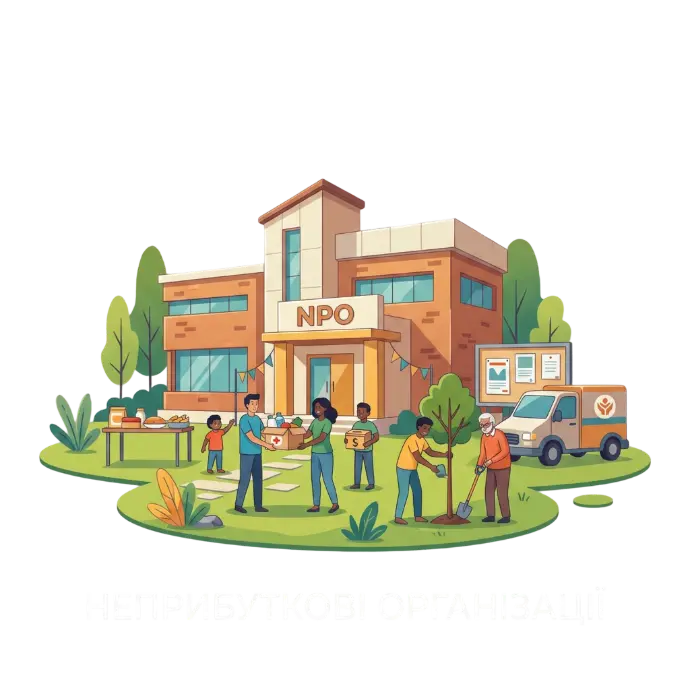
Non-profit organizations
Accounting of targeted revenues, assistance programs, budgets, and reporting. For non-profit and community organizations.

Rental of premises
Accounting of properties and tenants, billing according to contracts, payment control, utilities, acts. For landlords and property managers.

Services, service
Project management, contracts, applications, clients, and finances, monitoring the execution of service work. For service and B2B companies.
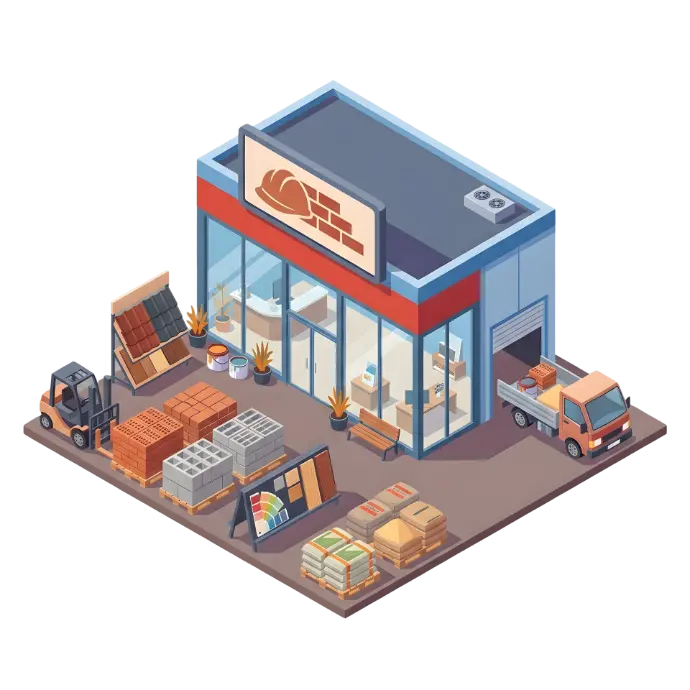
Sale of building materials
Project management, contracts, applications, clients, and finances, monitoring the execution of service work. For service and B2B companies.
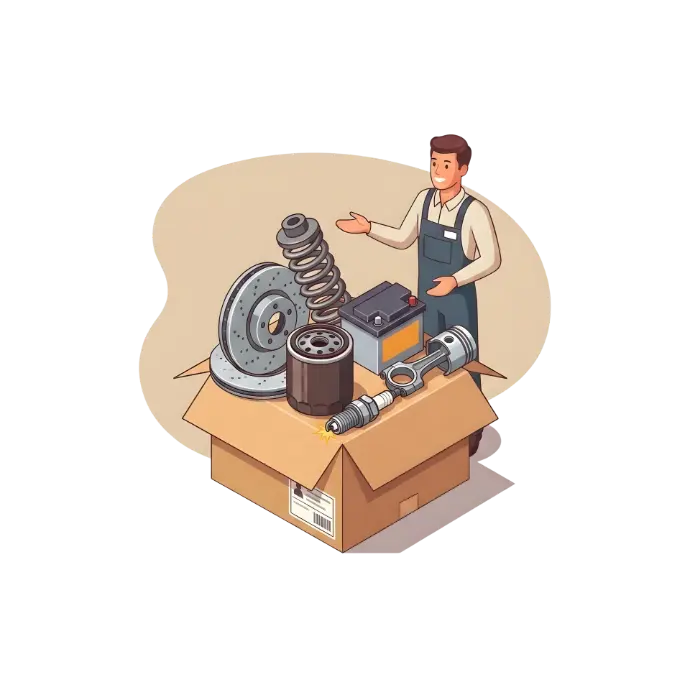
Sale of spare parts
Accounting for a large assortment with analogs, OEM codes, compatibility by car brands, wholesale and retail. For auto parts stores and warehouses.

Sale of stationery
Accounting for a large assortment, wholesale and retail prices, B2B orders, delivery to offices. For stationery stores and distributors.
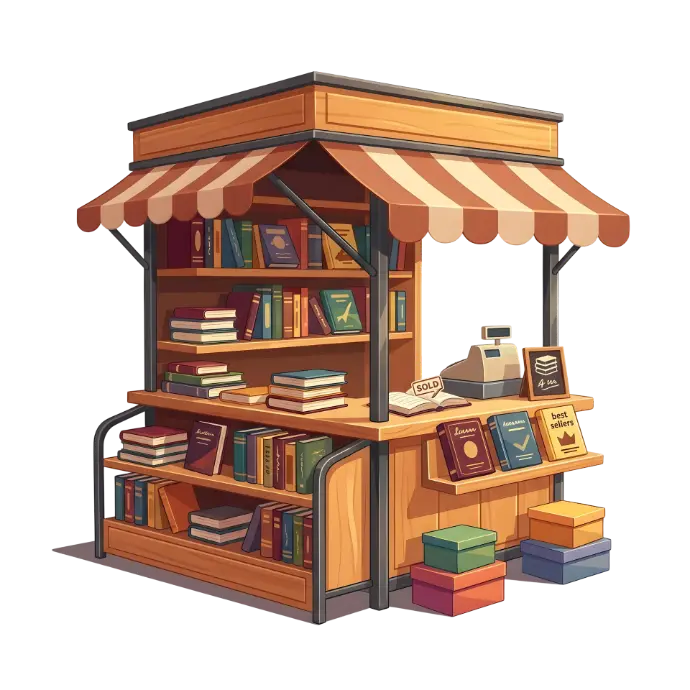
Book sales
Accounting for the book assortment, sales, inventory balances, consignment trading, and settlements. For bookstores and book networks.
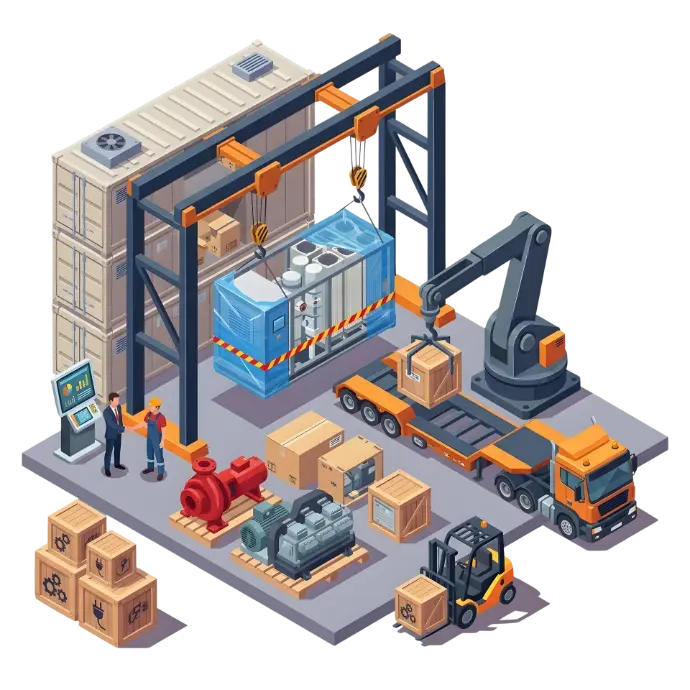
Equipment sales
Accounting for serial numbers, supply, sales, warranty, and service maintenance. For suppliers of industrial and commercial equipment.

Sale of clothing and footwear
Tracking sizes, colors, collections, seasonal promotions, loyalty programs, returns. For retail clothing and footwear stores.

Sale of household chemicals
Inventory management, wholesale and retail prices, promotions, loyalty programs, distribution. For stores and distributors of household chemicals.

Sale of food products
Tracking expiration dates, promotions, loyalty programs, delivery, integration with POS. For grocery chains and distributors.

Sale of jewelry
Mandatory certification, assay, artificial accounting of products, insurance, special reporting requirements. For jewelry stores and chains.
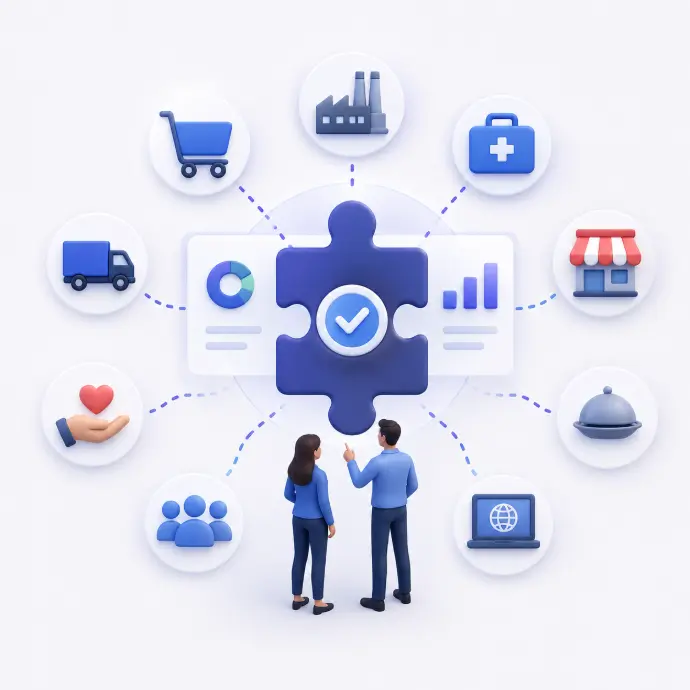
Our task is not to "sell an industry solution," but to select software for accounting that meets your specific industry needs. Each sector has its own specifics: in manufacturing, accurate cost accounting and unfinished products are important; in retail, cash registers and loyalty programs are key; in the service sector, project and employee time tracking is essential; and in agriculture, seasonality and calculations with shareholders are crucial. We understand these nuances and choose a system that takes into account the real processes of your industry, rather than forcing the business to adapt to the limitations of a "boxed" solution.
If your field is not on the list above, it does not mean we cannot help. Accounting automation works for businesses of any size and direction. We start by examining your processes and build solutions for specific tasks. Click "Your Business Field" and we will discuss for free how to automate your accounting.
WHY SPOC
Why do business owners choose SPOC
Specific facts, not general phrases
20+
YEARS OF EXPERIENCE
In the accounting automation market since 2004
150+
PROJECTS
From small individual entrepreneurs to companies with hundreds of users
8
YEARS OF EXPERIENCE
We close the full cycle — from idea to support
16/7
YEARS OF EXPERIENCE
Support 16/7 (from 6:00 AM to 10:00 PM 7 days a week)
In 20 years of working in the business automation market, we have seen how implementation projects fail due to the same mistakes: unclear requirements, unprepared processes, and lack of control from the client. Therefore, our methodology is designed to address these risks at every stage—from the formation of business requirements to the final launch. We do not just "turn on the system and leave." We support the client as long as necessary for the accounting system to become a natural part of the team's work.
CASEY
Implemented projects
Specific results of our clients in various industries

Sale of jewelry
Main task: Stabilize the accounting system of the jewelry network, optimize data exchange with point of sale systems, and implement over 10 integrations for the online store and logistics.
What has been done: We implemented a certificate accounting system, automated the transfer of online engraving orders to ERP, set up a direct connection with the Meest operator, and introduced instant customer bonus accruals.

Book Sales
Main task: Optimize data exchange between the retail network, online store, and the main database, as well as eliminate system slowdowns when processing large volumes of documents.
What was done: We investigated the system's logic, eliminated the "bottlenecks" in the algorithms for loading receipts and statements, and increased the exchange speed by 10 times.

Network of medical centers
Main task: Optimize the IT infrastructure and business processes of the medical network, enhance cybersecurity, and establish stable data exchange with diagnostic equipment.
What was done: We conducted a comprehensive audit of the servers and front office, delineated user access rights, optimized background tasks, and localized architectural errors in the DICOM/RIS systems.

Management Financial Company
Main task: Modernize the company's IT infrastructure, automate complex personnel calculations and document management, and integrate disparate operations into a single digital ecosystem.
What was done: We completed the data migration to the A5 platform, implemented a two-way exchange with "Vchysno" and ALMEX, and also automated the calculation of business trips and the generation of reports.

Tea production
Main task: Organize internal document flow, integrate online sales with logistics, and optimize accounting in production.
What has been done: We have automated the approval routes, set up data exchange with the website and "Nova Poshta," and implemented tools for quick uploading of specifications and monitoring of product release.

Production and sale of clothing
Main task: Update the online store to increase conversion, synchronize the Odoo and 1C systems, and expand the capabilities of online sales, security, and integration with marketplaces.
What was done: We conducted a UI/UX redesign of the website, created an automatic Odoo–1C connector, implemented pre-order and SMS protection modules, and set up synchronization with Rozetka and the PRRO Checkbox.

Production of cast cookware
Main task: Create a multilingual catalog website, implement a software-based cash register for retail sales, and comprehensively modernize the outdated production accounting system.
What was done: We developed an SEO-optimized international website, seamlessly integrated the Checkbox checkout, updated the accounting management database, and fully automated the cost calculation.

Transport company
Main task: Modernize the accounting system, automate complex payroll calculations, and integrate the disparate databases of the enterprise into a unified space.
What was done: We transferred data from 1C 7.7 without stopping processes, automated the calculation of payments, and set up seamless synchronization of personnel, accounting, and banking.
Agricultural production cultivation
Main task: Automate the production process of the agricultural holding, optimize the calculation of product cost, establish industry reporting, and integrate equipment.
What was done: We corrected the errors in expense accounting, implemented currency control and shareholder accounting modules, configured the operation of weighing systems, and automated the printing of logistics documents.
PARTNERS
Official Partnerships
We work with leading developers of accounting systems in Ukraine and around the world

Software vendors we work with






Professional community



FAQ
Frequently Asked Questions
Answers to key questions before the start
The choice depends on five factors: the industry and the specifics of the processes, the size of the business and the number of users, the budget for implementation and ongoing ownership, the requirements for localization under Ukrainian legislation, and the possibility of scaling. There is no universal solution — a program that is perfect for manufacturing will be excessive for a retail network. Therefore, the right approach is to first describe your processes and requirements, and then select a specific product based on them.
For small businesses with typical processes — from 1 to 3 months. For medium-sized companies with customization and integrations — from 4 to 9 months. Large projects with non-standard requirements and multiple branches can take a year or longer. The timelines are influenced by: the readiness of your business processes for automation, the speed of decision-making on the client's side, and the availability of quality input data for migration.
The cost consists of three parts: software license, implementation services, and ongoing support. Licenses can be one-time or subscription-based. Implementation services depend on the scope of work — from basic installation to a full cycle that includes process documentation, customization, and team training. The exact figure can only be provided after a preliminary business assessment.
Automating chaos means getting automated chaos. If processes are not documented, situations arise during implementation where different departments understand the same process differently, and the system is configured based on non-existent or contradictory logic. Documenting processes before automation reveals inefficient links, duplication of functions, and "white spots" in areas of responsibility — and allows for implementation with a clean slate, rather than having to fix everything on the fly and at double the cost.
Customization is the adjustment and refinement of an existing system to meet the specific needs of a particular business: creating additional fields, custom reports, special calculation rules, and integrations with banks or websites. Development for a client involves creating new modules or functionalities from scratch when the standard capabilities of the system are insufficient. Customization is faster and cheaper, but limited by the product's architecture. Development is more expensive but addresses unique business challenges.
Implementation is not the end, but the beginning of operation. Further support is needed: updates in response to changes in legislation, correction of user errors, configuration of new reports, training of new employees, and adjustments when business processes change. Without professional support, even a well-implemented system will start to operate with workarounds and lose effectiveness within a year or two. Therefore, it is important to choose a partner not only based on implementation but also on the quality of ongoing support.
More about accounting automation for business
Why accounting automation is an investment, not an expense. Most Ukrainian companies perceive implementation of an accounting system as a one-time expense that consumes the budget for half a year to a year. In reality, this is an investment with measurable returns. The closing of the reporting period after automation speeds up by 2-3 times. The number of accounting errors decreases significantly because data is entered once and not duplicated across systems. Management reporting is generated with one click, rather than taking a week of the finance department's work. As a result, the owner sees the real state of the business in real-time, rather than with a month’s delay.
What is included in regulated accounting. Regulated accounting — this is accounting that is conducted in accordance with the requirements of legislation and submitted to government authorities. It includes accounting (balance, financial results, cash flow), tax accounting (VAT, income tax, unified social contribution, personal income tax), personnel accounting (orders, vacations, sick leaves, personal files) and salary calculation with all mandatory accruals and deductions. Automation of Regulated Accounting combines these four blocks into a single system where data is transmitted between them automatically.
Why you should choose an IT consulting company instead of a freelancer. The freelancer can install and configure accounting software cheaper, but he is not responsible for the project's outcome. If in a year the system no longer meets the business needs, it will disappear. IT consulting The company operates differently: we create a contract with KPIs, outline expected results, set deadlines, and provide guarantees. In case of problems, we come back and fix them. This is especially important for projects costing several thousand dollars, where the risks of mistakes are more expensive than the money saved on implementation.
How we work with different systems. SPOC has experience in the implementation and support of various accounting systems: from Odoo (as official partners of the Ukrainian Odoo Association) to specialized Ukrainian products and custom developments. We do not impose a single product on the client. If your business is best served by an off-the-shelf platform — we recommend it. If flexibility is needed — we offer open-source solutions with customization options. If the task is unique — we build a system for the client from scratch.
Trend of transitioning from Russian software. A separate relevant task of recent years — replacement of 1C and transition from BAS to Ukrainian and European solutions. We help clients migrate painlessly: we transfer historical data, set up similar reports, and train the team. The transition usually takes 2-4 months depending on the volume of data and the complexity of customizations in the old system. Many companies use this transition as an opportunity to simultaneously optimize processes that have accumulated "technical debt" over the years.
What your business will gain after implementation. A single database where all accounting departments work synchronously. Financial transparency — you see operational metrics in real time. Quick closing of the reporting period — without manual reconciliations and overnight accounting shifts. Readiness for growth — the system scales with the business, rather than becoming a bottleneck. And, most importantly, the team's time is freed up for analytical work instead of routine data entry.
Submit a request for a consultation
We will discuss your tasks for free and offer the optimal solution for accounting automation. No obligations.